
Express Magazine 2023 Volume 6
Express is the online magazine published three times a year by the Entrepreneurial Mindset Network. Since its launch in 2018, the magazine has established itself as a dynamic and inclusive global platform, featuring contributions from authors in 67 countries.Entrepreneurial Mindset Network is an inclusive, international community of practice where anyone can learn to use entrepreneurial behaviours and make their unique contribution to the world.Paul Coyle is the Founder and Executive Director of the Entrepreneurial Mindset Network and the editor of the Express magazine. He is an expert in the entrepreneurial mindset, innovation, entrepreneurship, leadership and organisational change.
RI:SE Mindset Development Framework
Use the Network's RI:SE Mindset Development Framework to support your personal and organisational development. RI:SE stands for Reflect & Initiate : Scale & Excel.
Reflect & Initiate:Read the Express Volume 6 articles and their executive summaries. Use these real-life lessons to Reflect on your personal goals and to Initiate actions to strengthen your own entrepreneurial behaviours.
Scale and Excel:The Network's premium development services enable leaders to Scale entrepreneurial ways of working, building from individuals to teams, and creating a culture in which everyone can Excel.
Entrepreneurial Mindset Express 2023
Volume 6 Issue 3
Thank you to the authors from Croatia, England, Portugal, Spain, Tajikistan and the USA for taking the time to share their inspiring stories. Click on any image to read or download the article.
Executive Summary
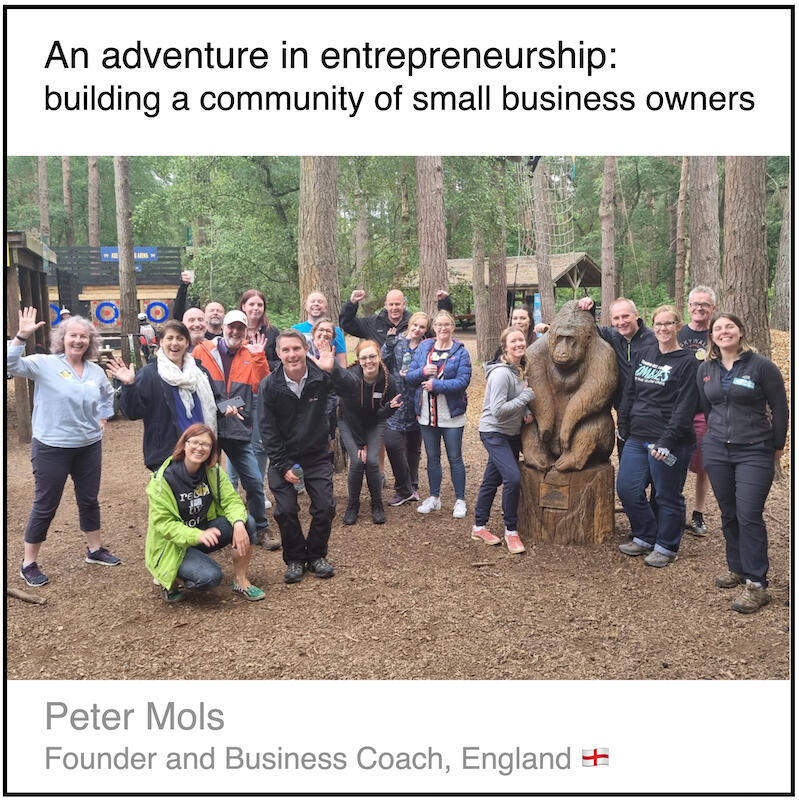
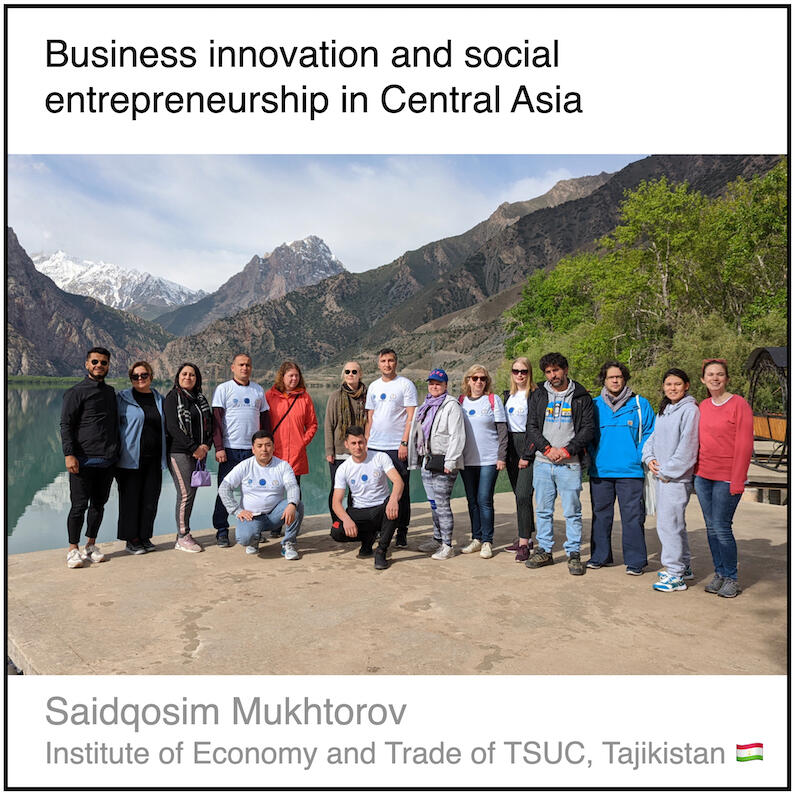
This executive summary brings together key insights from Volume 6, Issue 3 of Express magazine, highlighting how educational institutions, industry partners, and peer networks foster entrepreneurial innovation. Presented in a clear question and answer format, it explores practical approaches to cultivating an entrepreneurial mindset, expanding work-integrated learning, and strengthening regional ecosystems. For a deeper dive read the individual articles.
How can educational institutions help students build an entrepreneurial mindset?
Educational institutions cultivate an entrepreneurial mindset by providing structured, adaptable learning environments where students are encouraged to imagine, experiment, and learn from mistakes. Rather than relying solely on traditional academic lectures, effective entrepreneurship education combines solid theoretical frameworks with practical, competence-based activities. This includes introducing students to design thinking methods, business model creation, and hands-on toolkits at an early stage, spanning secondary, vocational, and higher education. Crucially, fostering an entrepreneurial mindset requires embedding inclusivity and equity into programming, ensuring that learners from all backgrounds gain access to relatable mentors, diverse networks, and the confidence needed to transform commercial and societal challenges into viable opportunities.
What is dual higher education, and how does work-integrated learning benefit learners and industry?
Dual higher education is an educational framework that directly integrates university-level academic instruction with structured workplace apprenticeships in partner companies and organisations. Through this work-integrated approach, students gain academic knowledge while simultaneously applying their skills within real-world professional environments. This model bridges higher education with industry by aligning degree programmes with evolving labour market needs, particularly in green, digital, and healthcare sectors. Industry partners benefit by accessing a talent pipeline of job-ready graduates and participating in collaborative research and innovation, while learners receive customisable international mobility options, direct mentorship from industry professionals, and lifelong professional networks that enhance their career prospects.
How do hackathons and multidisciplinary teams drive practical innovation?
Hackathons and challenge-based learning events accelerate innovation by bringing together multidisciplinary teams of students and professionals from varied academic disciplines, such as healthcare, business, and technology. By setting a low barrier to entry that requires no prior business or specialist experience, these intensive, short-term events create an accessible environment where participants learn by doing. Working collaboratively under expert guidance, diverse teams apply design thinking and prototyping methods to solve authentic, real-world problems set by industrial partners, start-ups, and community stakeholders. This collaborative structure promotes peer-to-peer knowledge sharing, blends experienced and creative perspectives, and strengthens the integration of education, research, and business.
What key personality traits define successful entrepreneurs, and how can peer networks support business growth?
Successful entrepreneurs typically demonstrate a distinct set of psychological characteristics, including high energy, a strong work ethic, intense focus, risk propensity, an internal locus of control, and a strong capacity for continuous learning and opportunity recognition. While these traits drive individuals to start ventures, long-term business sustainability relies on overcoming isolation through structured peer support networks, mastermind groups, and business incubators. Peer advisory sessions provide confidential, safe spaces where founders share experiences, receive feedback under non-disclosure agreements, and refine operational strategies such as 90-day planning, bootstrapping sales, and establishing company culture early. Combining personal resilience with active mentoring and peer coaching enables small business owners to build scalable, resilient enterprises.
Why are international alliances and inclusive ecosystems essential for regional innovation?
International university alliances, alumni networks, and cross-border collaborative partnerships are vital for scaling regional innovation and fostering social entrepreneurship. By establishing joint research platforms, international credit mobility projects, and regional incubator hubs, educational institutions act as bridges connecting local businesses, students, and international partners. These ecosystems enable emerging regions to modernise key economic sectors, commercialise research and development, and address global sustainability goals. Furthermore, building inclusive, community-embedded networks ensures that youth empowerment, social activism, and technological advancement drive widespread regional economic growth and sustainable development.
Entrepreneurial Mindset Express 2023
Volume 6 Issue 2
Thank you to the authors from Bulgaria, England, France, Malaysia and the Netherlands for taking the time to share their inspiring stories. Click on any image to read or download the article.


Executive Summary
Volume 6, Issue 2 of Express magazine brings together insights from international leaders, educators, and innovators examining how entrepreneurial mindsets, civic partnerships, and outcome-based reforms drive sustainable growth. This executive summary synthesises the common themes across all six articles into a structured question-and-answer format, highlighting practical strategies for closing skills gaps, fostering lifelong learning, and creating measurable societal impact. For a deeper dive read the individual articles.
How can organisations and educational institutions cultivate an entrepreneurial mindset to drive personal and economic growth?
An entrepreneurial mindset is defined as a foundational framework of thinking that combines self-awareness, creative problem-solving, and adaptability with practical commercial skills. Cultivating this mindset requires moving beyond theoretical concepts and static business models to deliver structured, single-page exercises that clarify core challenges, unlock creative ideas, dismantle personal obstacles, and maintain strategic focus. Educational institutions and commercial organisations foster dynamic entrepreneurial ecosystems by embedding industry partnerships directly into academic curricula, providing practical incubation programmes, and creating accessible sandbox environments where individuals can safely test alternative career pathways. Combining personal development with practical technology ensures that mindset training builds long-term confidence, encourages intrapreneurship within established firms, and drives sustainable economic transition across local and global communities.
What strategies enable small enterprises and underrepresented groups to close skills gaps and build viable ventures?
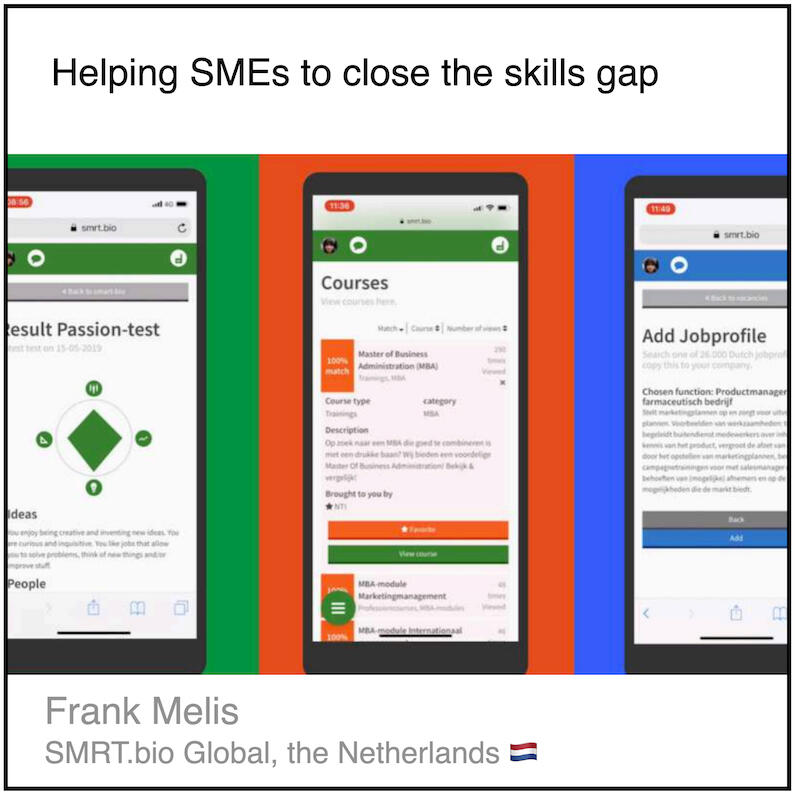
Closing the skills gap is defined as the process of democratising access to professional development tools and structured support mechanisms, enabling individuals and small teams to elevate their capabilities from entry-level roles to strategic leadership without requiring specialised in-house departments. For micro and small enterprises, effective strategies involve adopting digital management platforms that streamline role definition, mobile vacancy publishing, staff appraisals, and talent pool curation to lower operational costs. For underrepresented and displaced individuals, building viable ventures depends on flexible, one-to-one business advisory services, tailored mentoring, and practical market segmentation guidance. Combining customer profiling, empathetic stakeholder messaging, and prototype testing helps emerging founders refine their unique value propositions, overcome commercial barriers, and establish sustainable, high-impact enterprises.
How do civic partnerships and community-focused networks generate measurable social and economic impact?
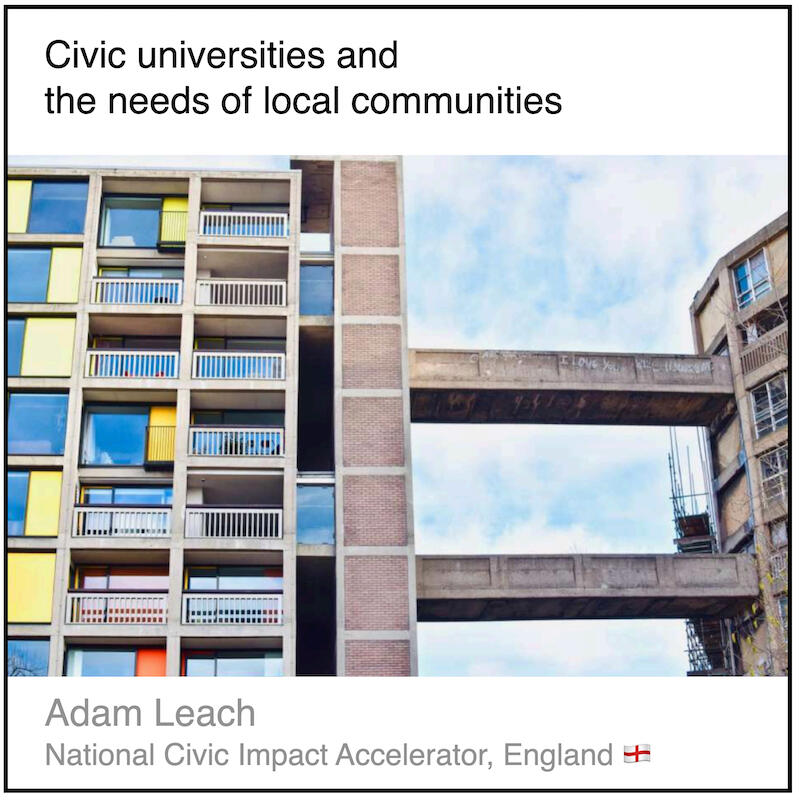
Civic engagement is defined as the deliberate alignment of an institution's resources, research, and educational capacity with the pressing social, economic, and environmental needs of its surrounding locality. Fostering meaningful civic impact requires moving away from superficial or top-down plans towards co-creating binding agreements with local authorities, healthcare bodies, businesses, and community groups. These collaborative networks leverage institutional assets and professional expertise to address place-based challenges such as health inequalities, economic regeneration, and social integration. Integrating community engagement into core institutional strategies enriches research with diverse real-world perspectives, provides students with immersive practical learning, and builds enduring public trust through clear accountability and measurable societal outcomes.
What is the role of lifelong learning and leadership development in navigating complex organisational and economic transitions?
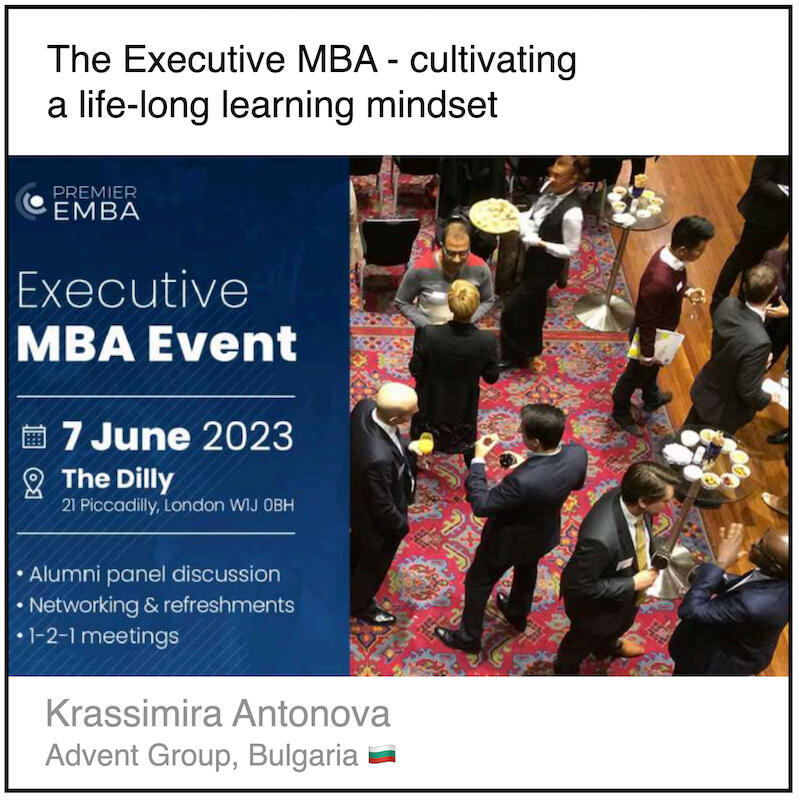
Lifelong learning is defined as the continuous, self-directed acquisition of advanced leadership skills, strategic perspective, and adaptability throughout an individual's professional life. Senior executives, expert founders, and corporate intrapreneurs require executive-level education that combines modular, part-time study formats with rich peer-to-peer collaboration across diverse industry sectors. This collaborative environment enables leaders to master strategic business administration, improve work-life balance through effective time management, and gain a thorough understanding of global business dynamics. By applying new strategic frameworks directly to their ongoing workplace responsibilities, leaders can drive digital transformation, foster intrapreneurial innovation within corporate structures, and successfully navigate broad economic transitions towards sustainability and inclusion.
How do outcome-based frameworks and international knowledge sharing accelerate systemic reform across different sectors?
An outcome-based framework is defined as a structural reform model that aligns financial reimbursement, performance incentives, and operational strategies directly with measurable quality outcomes and efficiency gains, rather than the sheer volume of services or activities delivered. Accelerating systemic reform across sectors such as healthcare, education, and regional development requires shifting focus from cost-containment measures towards outcome quality, active care pathway management, and patient or user empowerment. Overcoming operational silos depends on establishing open channels for international knowledge exchange, online learning platforms, and multi-lateral strategic alliances. Sharing best practices across borders enables organisations to scale proven innovations, optimise resource allocation, and build resilient, future-ready systems.
Entrepreneurial Mindset Express 2023
Volume 6 Issue 1
Thank you to the authors from Bosnia and Herzegovina, Brazil, Ecuador, France, Indonesia, Morocco, Qatar, Romania and Switzerland for taking the time to share their inspiring stories. Click on any image to read or download the article.
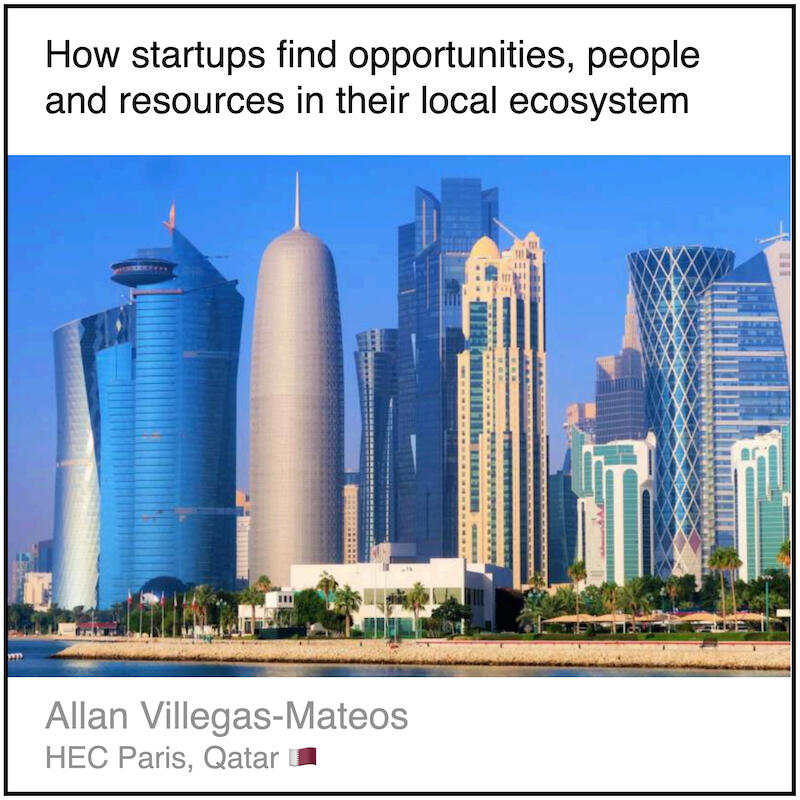

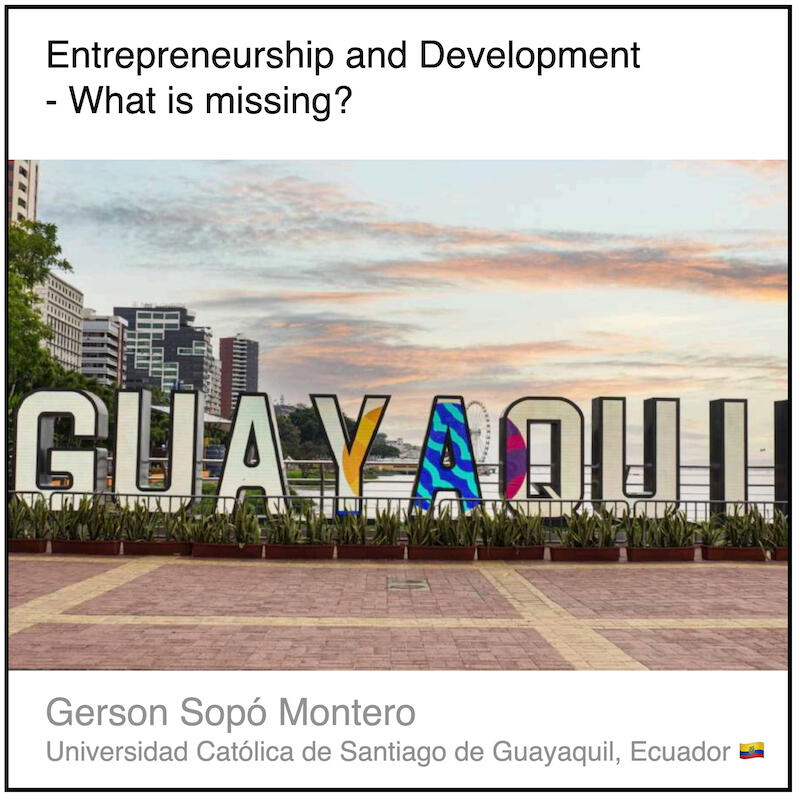
Executive Summary
This executive summary synthesises key insights from across eight countries on how an entrepreneurial mindset can be cultivated in practice across education, business, and public policy. Presented in a question and answer format, it outlines actionable strategies for developing essential entrepreneurial behaviours, reforming learning frameworks, and building collaborative regional ecosystems. For a deeper dive read the individual articles.
What is the entrepreneurial mindset, and why is it valuable for everyone?
The entrepreneurial mindset is defined as a distinctive set of beliefs, cognitive processes, and transferable personal attributes that enable individuals to identify opportunities, process complex information, and transform ideas into meaningful action. Core attributes include resourcefulness, self-efficacy, authenticity, grit, and the capacity to synthesise complexity into practical decisions. Rather than being restricted to business creation or self-employment, this mindset functions as a foundational approach to lifelong learning and problem-solving. It equips individuals across all academic disciplines and professions—whether operating as independent founders or as proactive employees within public, private, and non-profit organisations—to adapt to rapid technological change, navigate uncertainty, and create shared economic, social, and cultural value.
What core behaviours are essential for entrepreneurial success?
Essential entrepreneurial behaviours centre on solving genuine human problems through structured action and ethical execution. Key behaviours include identifying real market needs and validating value propositions through direct customer feedback; innovating by questioning established norms, prototyping, and conducting iterative experiments; upholding ethical principles, transparency, and sustainable development; taking calculated risks while actively managing and mitigating uncertainty; building trust through strong customer service and purposeful networking; investing in personal upskilling, team talent, and modern digital capabilities; and demonstrating initiative by setting clear goals, maintaining perseverance, and learning continuously from practical experience.
How should entrepreneurship education and teaching methodologies be designed?
Effective entrepreneurship education must shift from traditional, lecture-heavy instruction focused purely on commercial business plans towards experiential, purpose-driven learning. Educational methodologies should integrate academic theory with hands-on practice, problem-based learning, and interdisciplinary collaboration across diverse subject areas. Programmes should adapt instruction to varying levels of student readiness, guiding learners through practical steps such as market problem identification, value proposition design, competitive differentiation, financial management, and pitching. Exposing learners to real-world context through experienced industry mentors and relatable alumni role models provides the most effective bridge between academic study and practical venture execution.
How can educators and mentors help aspiring entrepreneurs overcome the fear of failure?
Overcoming the fear of failure requires establishing a supportive environment that reframes setbacks as essential learning opportunities and stepping stones towards long-term development. Educators and mentors can build emotional resilience and confidence by creating safe testing spaces where experimentation and trial-and-error are normalised and systematically analysed. Mentors help aspiring founders maintain motivation by breaking down complex venture goals into manageable, incremental steps that offer frequent quick wins. Openly communicating the realistic challenges of the business environment prevents psychological burnout, while connecting entrepreneurial activities to a clear personal purpose enables founders to persist through adversity.
What is the importance of social inclusion and sustainability in modern venture creation?
Modern venture creation increasingly aligns business development with social inclusion, environmental sustainability, and regional development goals. Inclusive enterprise education and ecosystem frameworks ensure that under-represented and disadvantaged groups, including women and youth, have equal access to technical training, financial resources, mentorship, and leadership pathways. Sustainable entrepreneurship prioritises addressing major societal challenges—such as digital inequality, rural connectivity, and resource efficiency—by building business models that reduce environmental impact and contribute to green and digital economic transitions, ensuring economic growth benefits all parts of society.
How do universities, industry, and government collaborate within a successful entrepreneurial ecosystem?
Successful regional ecosystems rely on the Triple Helix model of structured collaboration between universities, industry, and government. Universities serve as central innovation hubs that nurture talent, provide multidisciplinary education, run campus incubators, and host student societies. Industry contributes practical market expertise, professional mentorship, research funding, and commercialisation pathways. Government agencies prepare the broader enabling environment by establishing supportive regulatory frameworks, funding initiatives, and strategic national policies. Aligning the efforts of these three key actors removes legal and financial barriers, creating a self-sustaining cycle of innovation, regional growth, and talent retention.
Copyright and Licensing Notice
These open-access articles are distributed under the terms of the Creative Commons Attribution 4.0 International License (CC BY 4.0), which permits unrestricted use, distribution, and reproduction in any medium, on condition that the original author and publisher are properly credited.The recommended citations are shown below. Each citation is in bold text and is followed by a short author profile:Antonova, K. (2023). The Executive MBA - cultivating a life-long learning mindset. Entrepreneurial Mindset Network: Express Magazine, 6(2). https://doi.org/10.5281/zenodo.24197940
Krassimira Antonova (Advent Group, Bulgaria) LinkedInCamargo, P. (2023). Entrepreneurship: a life-long journey of learning, action and value creation. Entrepreneurial Mindset Network: Express Magazine, 6(1). https://doi.org/10.5281/zenodo.24164247
Paulo Camargo (Entrepreneur and Educator, Brazil) LinkedInCoyle, P. (2023). The entrepreneurial mindset in practice: Lessons from 8 countries. Entrepreneurial Mindset Network: Express Magazine, 6(1). https://doi.org/10.5281/zenodo.24161732
Paul Coyle (Entrepreneurial Mindset Network, France) Google Scholar LinkedIn ORCID profileGhazali, A. J. (2023). Entrepreneurial mindset - the nexus for a dynamic entrepreneurship ecosystem. Entrepreneurial Mindset Network: Express Magazine, 6(2). https://doi.org/10.5281/zenodo.24188940
Abdul Jalil Ghazali (Management and Science University, Malaysia) LinkedInGonzález-Montes, L. (2023). Encouraging a new generation of health innovators. Entrepreneurial Mindset Network: Express Magazine, 6(3). https://doi.org/10.5281/zenodo.24215469
Lorena González-Montes (EIT Health, Spain) LinkedInGuha, A. (2023). Empowering entrepreneurs with refugee backgrounds to set up or grow a business in Manchester. Entrepreneurial Mindset Network: Express Magazine, 6(2). https://doi.org/10.5281/zenodo.24190977
Amitava Guha (Caritas Diocese of Salford, England) LinkedInLamas, M. (2023). A model for entrepreneurship education. Entrepreneurial Mindset Network: Express Magazine, 6(3). https://doi.org/10.5281/zenodo.24215956
Marco Lamas (ISLA Business Innovation Lab, Portugal) LinkedIn ORCID profileLeach, A. (2023). Civic universities and the needs of local communities. Entrepreneurial Mindset Network: Express Magazine, 6(2). https://doi.org/10.5281/zenodo.24189917
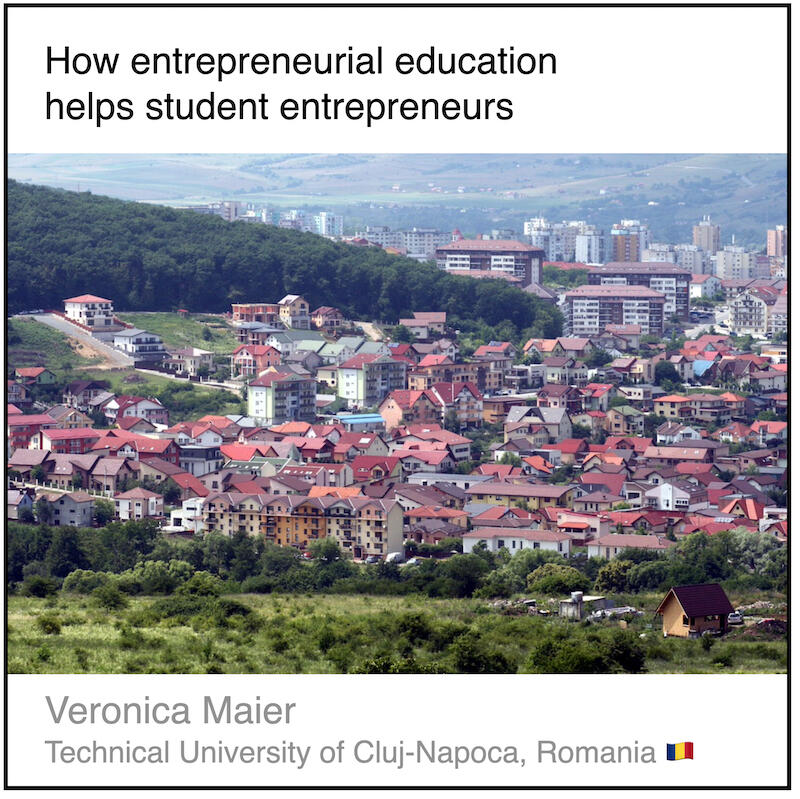
Adam Leach (National Civic Impact Accelerator, England) LinkedInMaier, V. (2023). How entrepreneurial education helps student entrepreneurs. Entrepreneurial Mindset Network: Express Magazine, 6(1). https://doi.org/10.5281/zenodo.24165851
Veronica Maier (Technical University of Cluj-Napoca, Romania) LinkedIn ORCID profileMarsan, G. A. (2023). Innovation and the transition to inclusive digital economies in South East Asia. Entrepreneurial Mindset Network: Express Magazine, 6(1). https://doi.org/10.5281/zenodo.24161053
Giulia Ajmone Marsan (Economic Research Institute for ASEAN and East Asia, Indonesia) LinkedInMelis, F. (2023). Helping SMEs to close the skills gap. Entrepreneurial Mindset Network: Express Magazine, 6(2). https://doi.org/10.5281/zenodo.24195937
Frank Melis (SMRT.bio Global, the Netherlands) LinkedInMols, P. (2023). An adventure in entrepreneurship: building a community of small business owners. Entrepreneurial Mindset Network: Express Magazine, 6(3). https://doi.org/10.5281/zenodo.24216918
Peter Mols (Founder and Business Coach, England) LinkedInMontero, G. S. (2023). Entrepreneurship and development - what is missing? Entrepreneurial Mindset Network: Express Magazine, 6(1). https://doi.org/10.5281/zenodo.24158161
Gerson Sopó Montero (Universidad Católica de Santiago de Guayaquil, Ecuador) LinkedIn ORCID profileMugione, F. (2023). Breaking the glass ceiling: women entrepreneurs make it happen. Entrepreneurial Mindset Network: Express Magazine, 6(1). https://doi.org/10.5281/zenodo.24157754
Fiorina Mugione (GDSI Limited, Switzerland) LinkedInMukhtorov, S. (2023). Business innovation and social entrepreneurship in Central Asia. Entrepreneurial Mindset Network: Express Magazine, 6(3). https://doi.org/10.5281/zenodo.24217139
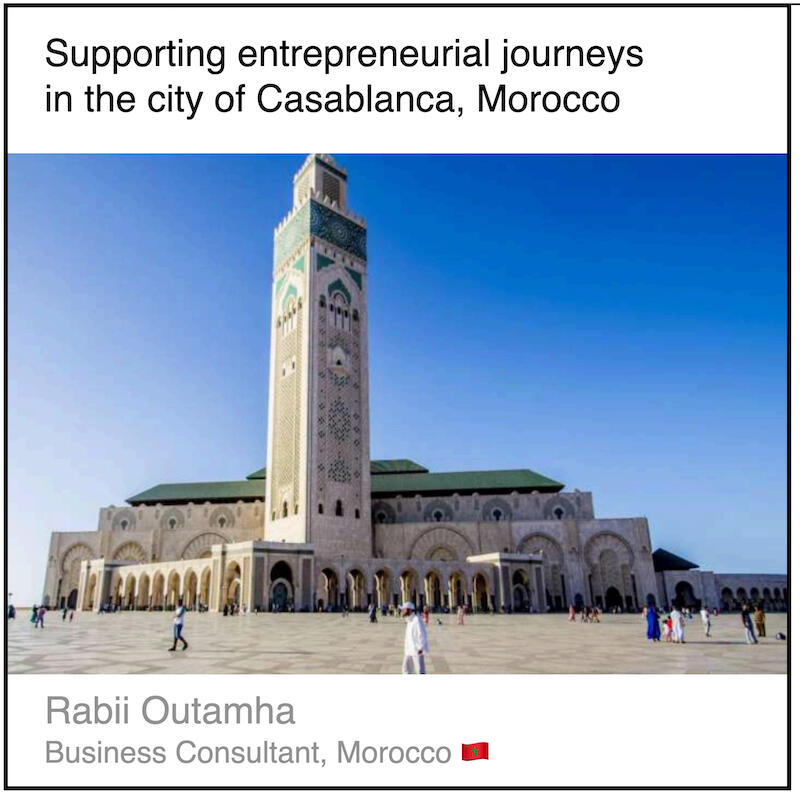
Saidqosim Mukhtorov (Institute of Economy and Trade of TSUC, Tajikistan) LinkedInOutamha, R. (2023). Supporting entrepreneurial journeys in the city of Casablanca, Morocco. Entrepreneurial Mindset Network: Express Magazine, 6(1). https://doi.org/10.5281/zenodo.24165102
Rabii Outamha (Business Consultant, Morocco) LinkedIn ORCID profilePrimrose, E. (2023). Accidental vs. intentional entrepreneurship – cultivating an ecosystem. Entrepreneurial Mindset Network: Express Magazine, 6(3). https://doi.org/10.5281/zenodo.24215151
Edna Primrose (Founder and President, USA) LinkedInSalihagić, A. (2023). Role of universities in emerging entrepreneurial ecosystems. Entrepreneurial Mindset Network: Express Magazine, 6(1). https://doi.org/10.5281/zenodo.24155808
Admir Salihagić (International Burch University, Bosnia and Herzegovina) LinkedIn ORCID profileSwift, E. (2023). Value-based healthcare reform in the US and Europe. Entrepreneurial Mindset Network: Express Magazine, 6(2). https://doi.org/10.5281/zenodo.24191987
Elissa Swift (Independent Consultant, France) LinkedInTurk, M. (2023). A European Alliance for Dual Education EU4Dual. Entrepreneurial Mindset Network: Express Magazine, 6(3). https://doi.org/10.5281/zenodo.24216508
Marko Turk (PAR University of Applied Sciences, Croatia) LinkedIn ORCID profileVillegas-Mateos, A. (2023). How startups find opportunities, people and resources in their local ecosystem. Entrepreneurial Mindset Network: Express Magazine, 6(1). https://doi.org/10.5281/zenodo.24157176
Allan Villegas-Mateos (HEC Paris, Qatar) LinkedIn ORCID profile
Editorial Note: To provide a unified overview of these global perspectives, the executive summaries were synthesised and structured using Google Gemini under human editorial oversight. Readers are encouraged to download the original author PDFs for full context.
This website is published by the Entrepreneurial Mindset Network © 2023 all rights reserved.